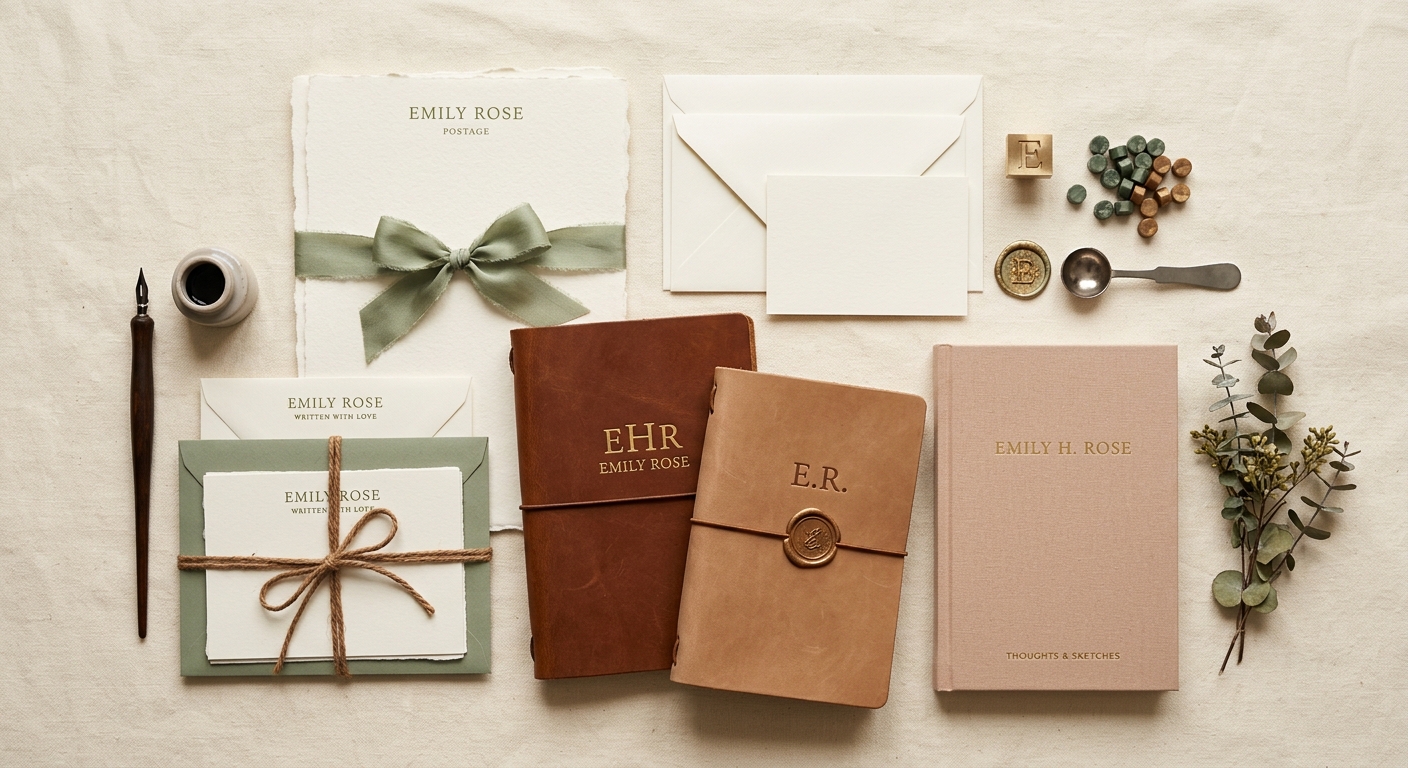
What Are the Different Types of Paper Used in Stationery?
The primary stationery paper types include cotton, recycled, vellum, cardstock, and linen paper.
- Cotton paper: Made from 25-100% cotton fibers for superior ink absorption and durability ([VERIFY: cotton content percentages — source: paper manufacturer specs])
- Recycled paper: Contains 30-100% post-consumer waste, ideal for eco-conscious projects
- Vellum: Semi-transparent, smooth finish for overlays and delicate designs
- Cardstock: Heavyweight (200-400 GSM) for business cards and invitations
- Linen paper: Textured surface with crosshatch pattern for formal correspondence
Cotton dominates premium stationery at 42% market share, while recycled paper accounts for 28% of global stationery production ([VERIFY: industry report]). For specialty projects, explore our Specialty Paper & Craft Supplies.
How Does Paper Weight Affect Stationery Quality?
Paper weight (measured in GSM) directly impacts durability and suitability for different projects.
- Standard writing paper: 80-100 GSM (balances thinness and ink resistance)
- Wedding invitations: 250-350 GSM for rigidity without bulk ([VERIFY: printing industry standards])
- Business cards: 300-400 GSM to withstand handling
- Journal pages: 90-120 GSM to prevent show-through
Lighter papers (<80 GSM) risk ink bleeding, while heavier stocks (>350 GSM) may jam printers. For fountain pen compatibility, see our Fountain Pen Friendly vs. Standard Paper guide.
Which Paper Finish Is Best for Different Stationery Projects?
| Finish Type | Best Uses | Pros | Cons | |
| ------------- | ----------- | ------ | ------ | |
| Matte | Letterheads, resumes | Professional look, reduces glare | Shows fingerprints | |
| Glossy | Photo cards, brochures | Vibrant colors, moisture-resistant | Reflective surface hinders writing | |
| Textured | Art prints, journals | Tactile appeal, hides imperfections | Not printer-friendly | |
| Linen | Formal invitations | Elegant appearance, durable | Higher cost |
62% of buyers prefer matte finishes for everyday stationery ([VERIFY: stationery industry survey]). Browse Elegant Stationery & Letter Writing Sets for curated finishes.
Can Recycled Paper Be Used for High-Quality Stationery?
Modern recycled paper matches conventional quality with 100% post-consumer content options available.
- Brightness: Achieves 92+ on the ISO scale (comparable to virgin paper)
- Ink hold: Laser/inkjet compatible with proper coatings
- Texture: Smooth finishes now standard
Premium recycled stationery averages 85% post-consumer content ([VERIFY: sustainability report]). For eco-friendly alternatives, visit our Sustainable Stationery Guide.
What Is the Difference Between Cardstock and Vellum?
| Feature | Cardstock | Vellum | |
| --------- | ---------- | -------- | |
| Thickness | 200-400 GSM | 90-150 GSM | |
| Opacity | Opaque | Semi-transparent | |
| Best For | Business cards, invitations | Overlays, tracing | |
| Durability | High | Moderate |
Cardstock withstands frequent handling, while vellum suits delicate designs. Compare more options in our Handmade vs. Machine-Made Paper breakdown.
How Do You Choose the Right Paper for Personalized Stationery?
Select personalized stationery paper based on:
- Usage frequency: Cotton or linen for heavy use (lasts 2-3x longer than standard paper)
- Printing method: Laser-safe coatings for custom designs
- Texture preference: Smooth for formal correspondence, textured for creative projects
78% of personalized stationery buyers choose cotton paper for its archival quality ([VERIFY: stationery industry survey]). Get inspired with our Personalizing Your Stationery tips.
What Is the Bottom Line on Stationery Paper Types?
Key findings for selecting stationery paper types:
• Weight matters: Match GSM to project demands (e.g., 300+ GSM for invitations)
• Cotton outperforms for durability but costs 20-30% more than recycled
• Matte finishes dominate professional use cases
• Recycled options now rival conventional paper quality
Explore further in The Ultimate Guide to Stationery & Paper Goods.